

The Real Losers of the Musk v. Altman Trial
The courtroom battle between Elon Musk, Sam Altman, and OpenAI has been framed as a clash between two tech
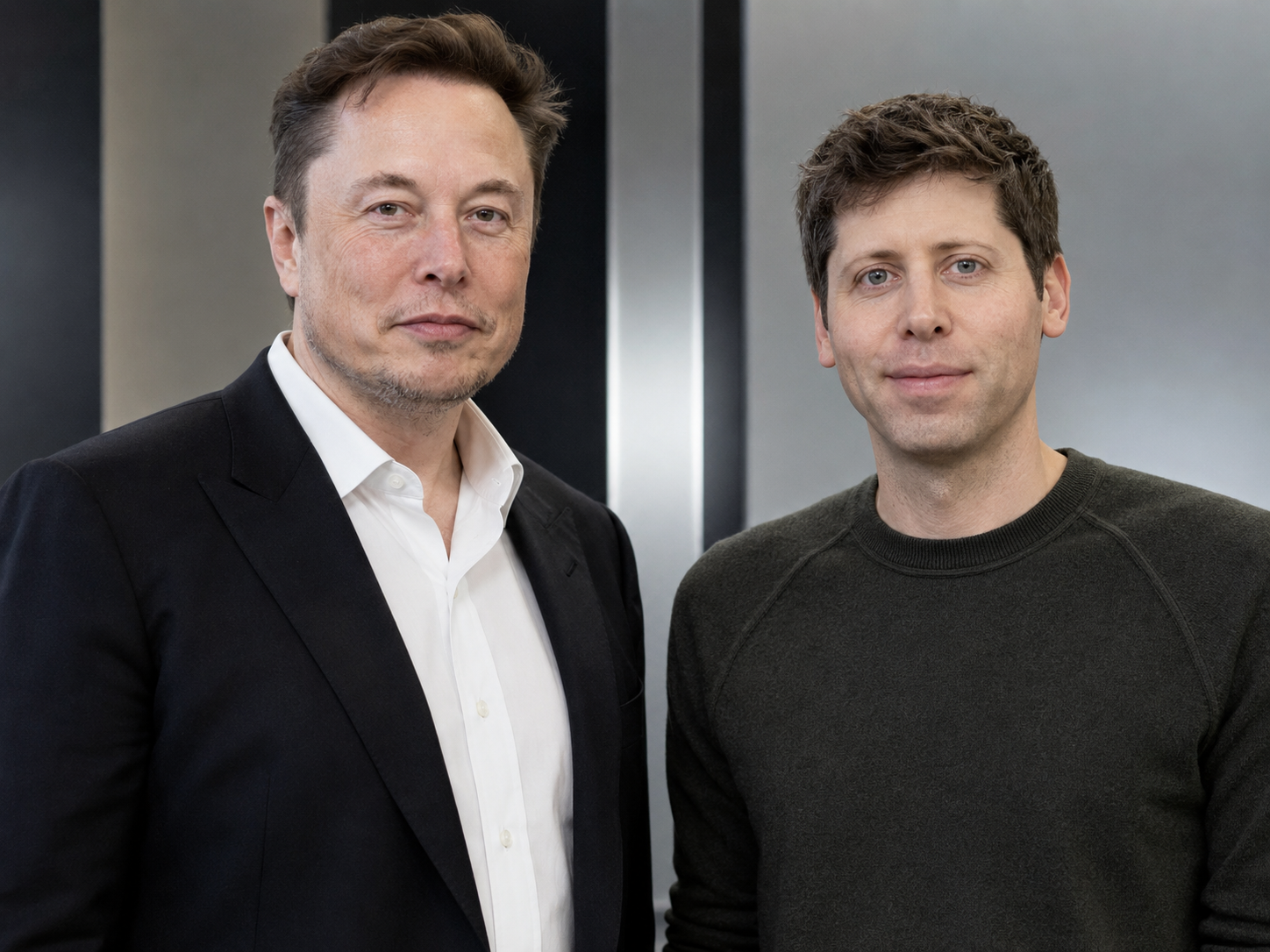
The courtroom battle between Elon Musk, Sam Altman, and OpenAI has been framed as a clash between two tech giants over the soul of artificial intelligence. On paper, the question is whether OpenAI betrayed its founding nonprofit mission by moving toward a commercial structure and deep partnership with Microsoft. In reality, the trial has exposed something broader and more uncomfortable: almost everyone involved in the AI race looks worse after the testimony.
As of mid-May 2026, a federal jury is weighing Musk’s lawsuit against OpenAI and its leaders after closing arguments in Oakland, California. Musk argues that OpenAI abandoned its original nonprofit purpose and became a profit-seeking company behind his back. OpenAI and Altman deny wrongdoing and argue that commercial partnerships were necessary to fund the expensive development of advanced AI systems.
The First Loser: Public Trust
The biggest loser is not Musk, Altman, Microsoft, or even OpenAI. It is public trust.
Artificial intelligence is being sold to the world as a technology that will transform medicine, education, work, science, and creativity. Yet the trial has made the people building it look less like careful stewards of humanity’s future and more like rival power players fighting over control, money, reputation, and legacy.
That matters because AI companies already ask the public for an extraordinary amount of trust. They ask users to trust their models with personal data, businesses to trust them with workflows, governments to trust them with infrastructure, and society to trust them with decisions that may reshape the economy. But when the leaders of the industry spend weeks accusing one another of dishonesty, betrayal, and self-interest, the public has every reason to wonder: who exactly is guarding the guardrails?
The Second Loser: OpenAI’s Founding Myth
OpenAI began with a powerful story: a nonprofit research lab created to ensure that artificial general intelligence would benefit humanity. That story helped attract talent, donations, goodwill, and moral authority.
The trial has damaged that myth.
Musk claims he donated millions under the belief that OpenAI would remain committed to its nonprofit mission. Reporting from the trial says he is seeking enormous damages and structural changes, including the removal of Altman and Greg Brockman.
OpenAI’s defense is practical: advanced AI costs billions to build, and without a commercial structure and major partners, it could not compete. That argument may be legally persuasive. It may even be economically true. But it still leaves a bitter aftertaste. If the only way to build “AI for humanity” is to become one of the most powerful commercial technology entities on Earth, then the original promise looks less like a mission and more like branding.
The Third Loser: Sam Altman’s Reputation
Sam Altman entered the AI era as one of Silicon Valley’s most influential leaders. He positioned himself as calm, strategic, and mission-driven. But the trial has revived older questions about his management style and honesty.
Recent reporting described testimony from former OpenAI insiders who questioned Altman’s truthfulness and leadership, including claims that he misled colleagues or board members. Altman has denied wrongdoing and defended his integrity, but the public airing of those accusations has still hurt his image.
For Altman, the legal outcome matters. But the reputational outcome may matter just as much. A CEO leading one of the world’s most important AI companies cannot afford to be seen as brilliant but slippery. In AI, credibility is not a side issue. It is part of the product.
The Fourth Loser: Elon Musk’s Moral High Ground
Musk has positioned himself as the betrayed founder who warned that OpenAI had lost its way. There is force in that argument. OpenAI did change dramatically from its early nonprofit roots, and many people share concerns about concentrated AI power.
But Musk is not exactly a neutral public-interest watchdog. He owns a rival AI company, xAI, and has his own ambitions in the race for advanced AI. That makes his critique complicated. Even when he raises valid questions, they come wrapped in competitive motives.
Altman testified that Musk had once sought a majority stake in OpenAI, saying Musk floated an early figure of 90 percent equity before softening the demand. If true, that weakens the image of Musk as purely defending openness and nonprofit ideals. It suggests that the fight may not be only about whether AI should be controlled by powerful private actors, but which powerful private actor gets to control it.
The Fifth Loser: Microsoft and Big Tech’s Image
Microsoft is not always the loudest character in this drama, but its shadow is everywhere. OpenAI’s partnership with Microsoft is central to the case because it represents the moment OpenAI’s nonprofit idealism collided with Big Tech scale.
For OpenAI, Microsoft brought the computing power and capital needed to compete. For critics, Microsoft’s role is evidence that OpenAI became exactly what it was created to resist: a strategic asset for a giant corporation.
That does not mean Microsoft did anything wrong. But the trial reinforces a public fear that the future of AI is being decided by a tiny circle of billionaires, executives, investors, and cloud-computing giants. Even if the jury sides with OpenAI, the public may still see the industry as too concentrated and too opaque.
The Sixth Loser: AI Governance
The trial also reveals a failure of governance. If the future of AI depends on private contracts, founder promises, boardroom drama, and lawsuits between billionaires, then society has a problem.
The central questions are too important to be settled only after relationships collapse:
Who controls advanced AI systems?
Who benefits financially?
Who has the power to stop unsafe deployment?
What happens when nonprofit ideals clash with commercial necessity?
Who speaks for the public?
These questions should not depend on who has the better lawyers, the better emails, or the more sympathetic courtroom narrative.
The Seventh Loser: The Public
The public is the final and most important loser.
Ordinary people are not in the courtroom. They are not negotiating equity structures. They are not sitting on foundation boards or making cloud-computing deals. But they will live with the consequences of AI: job disruption, misinformation, surveillance risks, creative upheaval, automation, and new forms of dependency on private platforms.
The trial makes clear that the people building the most powerful AI systems are still human: ambitious, flawed, defensive, competitive, and sometimes contradictory. That is not shocking. But it is dangerous when their decisions affect everyone else.
Conclusion: Everyone Looks Smaller
The Musk v. Altman trial may eventually produce a legal winner. Musk could win damages or structural changes. OpenAI and Altman could defeat the claims and continue their current path. Microsoft could emerge mostly untouched.
But culturally, the trial has already produced a different verdict: the AI industry looks smaller than the technology it claims to be building.
The real losers are the ideals that launched OpenAI, the trust users place in AI leaders, and the public’s hope that artificial intelligence will be developed with transparency, humility, and accountability.
The trial is not just about whether OpenAI changed. It is about whether the people racing to build the future are worthy of the power they already have.